Last Updated: April 20, 2026 · Medically Reviewed by Dr. Alexander Reeves, MD
Brain fog is a symptom, not a condition. Understanding the actual cause is the only way to actually clear it. Here are the seven most common causes, how to tell which one is yours, and what works for each.
This is by far the most common cause. Even an hour less than your personal sleep need, sustained over days, produces measurable cognitive impairment. Sleep debt accumulates invisibly — you feel fine-ish, but cognitive testing shows clear decline.
How to tell: Brain fog worse in the morning or after lunch. Improves after a night or two of full sleep. Fix: Consistent 7–9 hours nightly, fixed bedtime and wake time, no caffeine after 2pm.
The brain runs primarily on glucose. When blood sugar crashes after high-carb meals, cognitive function crashes too — producing the classic 3pm mental haze.
How to tell: Brain fog 1–3 hours after high-carb meals. Improves with protein/fat. Fix: Protein at every meal, limit refined carbs, walk 10 minutes after eating.
Mild dehydration (2% fluid loss) measurably impairs attention, short-term memory, and mood. Most adults are mildly dehydrated most of the time and don't know it.
How to tell: Brain fog worse in afternoon or after coffee. Improves within 30 minutes of drinking water. Fix: 2–3 liters water daily, more if exercising or in heat.
Sustained cortisol elevation degrades memory consolidation and executive function. The cognitive impact of chronic stress is often larger than people realize.
How to tell: Brain fog alongside anxiety, sleep disruption, or feeling "wired but tired." Fix: Exercise, meditation/breathwork, social support, therapy when indicated.
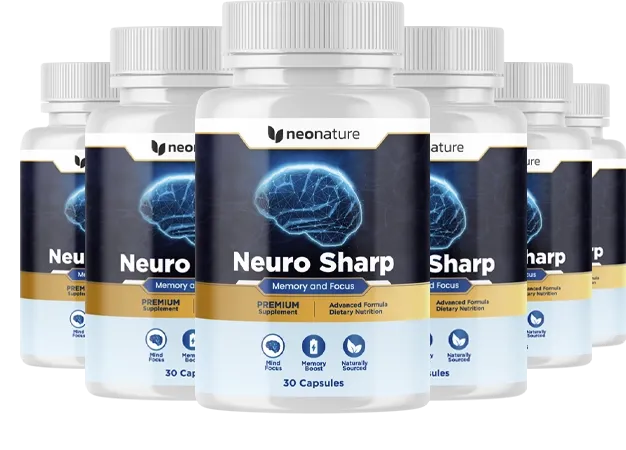
Natural 8-ingredient brain formula with Bacopa, Ginkgo, Huperzine-A, Alpha-GPC, and more. 180-day money-back guarantee — zero risk to evaluate.
Get Neuro Sharp Official Brain Formula →Low levels of specific nutrients produce predictable cognitive symptoms. The main culprits: B12 (especially in adults over 50 and vegetarians), vitamin D (widespread deficiency), iron (especially in women), and omega-3 fatty acids.
How to tell: Brain fog with fatigue, weakness, or mood changes. Fix: Blood panel from your doctor, correct deficiencies through diet and targeted supplementation.
Many common medications produce brain fog as a side effect: antihistamines, sleeping aids, some blood pressure medications, statins (in some patients), anticholinergic medications. The cognitive side effect is often underrecognized by both patients and prescribers.
How to tell: Brain fog appeared within weeks of starting a new medication. Fix: Medication review with prescribing physician.
For adults 40+, gradual decline in cerebral blood flow and acetylcholine function contributes to the classic age-related brain haze. This is the cause most amenable to targeted supplementation.
How to tell: Brain fog with general age-related cognitive changes (name retrieval, processing speed). Fix: Multi-ingredient nootropics targeting blood flow (ginkgo) and acetylcholine (alpha-GPC, huperzine-A). Lifestyle foundations still essential.
Most people have 2–3 causes contributing simultaneously. Work through this order: (1) sleep audit (can you improve quality/quantity?), (2) hydration (are you drinking 2–3L daily?), (3) blood sugar stability (how many hours between meals? high-carb meals?), (4) stress audit, (5) blood panel for B12/D/iron/thyroid, (6) medication review, (7) consider targeted supplementation for age-related factors.
Brain fog has 7 main causes: poor sleep (most common), blood sugar instability, dehydration, chronic stress elevating cortisol, nutrient deficiencies (particularly B12, vitamin D, iron, and omega-3), medication side effects, and age-related decline in cerebral blood flow and acetylcholine. Most people have 2-3 contributing causes simultaneously.
Duration depends on the cause. Sleep-related brain fog resolves within days of consistent good sleep. Nutrient-deficiency brain fog can take 4-8 weeks to fully resolve after correcting the deficiency. Stress-related brain fog improves over weeks as cortisol normalizes. Age-related cognitive haze is more gradual but responds to lifestyle changes and targeted supplementation.
The fastest interventions: hydration (immediate), a good night's sleep (1-2 days), a meal with stable blood sugar (hours), and brief aerobic exercise (immediate improvement in mental clarity). Longer-term clearing requires addressing underlying causes: nutrient status, stress, sleep quality, medication review.
Supplements targeting cerebral blood flow (ginkgo), acetylcholine (alpha-GPC, huperzine-A), and brain energy (N-acetyl L-carnitine) can help with certain types of brain fog - particularly age-related cognitive haze. They can't substitute for fixing underlying causes like poor sleep or nutrient deficiencies.