Last Updated: April 20, 2026 · Medically Reviewed by Dr. Alexander Reeves, MD
Quick answer: Ginkgo Biloba improves cerebral blood flow by supporting vasodilation and reducing blood viscosity. Better blood flow means more oxygen and nutrients reaching brain tissue — which translates to clearer thinking and reduced brain fog, often within the first 2–4 weeks of consistent use.
The brain is the most metabolically demanding organ in the human body. It represents about 2% of body weight but consumes roughly 20% of available oxygen and glucose. Every cognitive function — thinking, memory formation, focus, decision-making — depends on steady delivery of oxygen and nutrients through cerebral circulation. When blood flow to brain tissue decreases even modestly, cognitive performance measurably declines.
Cerebral blood flow naturally declines with age. Research shows roughly 10–15% reduction in cerebral blood flow by age 65 compared to age 25. This decline contributes directly to the classic age-related cognitive changes: slower processing speed, more frequent "tip of the tongue" moments, mental fatigue after sustained focus, and the general experience of brain fog.
Ginkgo's effects on cerebral circulation come from two main compound classes in standardized leaf extract: flavonoid glycosides (primarily quercetin, kaempferol, and isorhamnetin) and terpene lactones (ginkgolides and bilobalide). These compounds work through several mechanisms:
A 2015 systematic review examined nine randomized controlled trials of ginkgo in patients with mild cognitive impairment. Across trials, ginkgo supplementation produced measurable cognitive improvements compared to placebo, with effect sizes that varied by study design but were consistently in the positive direction. The review concluded that ginkgo extract has potential benefits for cognition in this population (PMID 26087421).
Unlike bacopa, ginkgo produces relatively faster-appearing effects. Most users notice changes in the first 2–4 weeks: clearer thinking, less brain fog, improved focus during demanding tasks, and sometimes warmer hands and feet (a signal that peripheral circulation is also responding). The effect isn't dramatic like caffeine — it's more like "things feel clearer."
Because ginkgo affects platelet function and blood viscosity, it has documented interaction potential with:
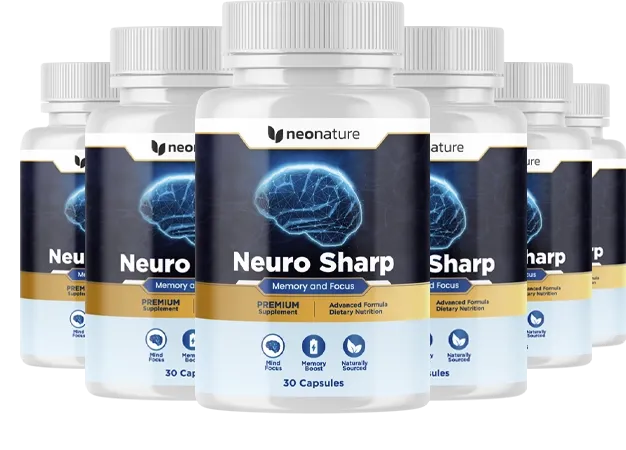
If you take blood thinners or have bleeding disorders, talk to your physician before using any product containing ginkgo — including Neuro Sharp.
Not all ginkgo extracts are equivalent. The research showing cognitive benefits used standardized extracts with 24% flavone glycosides and 6% terpene lactones. Cheap bulk ginkgo powder often doesn't meet this standardization — which is why results from budget supplements vary wildly. Neuro Sharp uses a standardized extract consistent with clinical-research-quality ginkgo.
Ginkgo's blood flow support creates the delivery infrastructure; Alpha-GPC and Huperzine-A optimize what happens with that delivered fuel (acetylcholine function); Bacopa and Phosphatidylserine support the memory pathways that use it; NALT supports the mitochondrial energy production. This is why a multi-ingredient formula produces more consistent results than ginkgo alone — each piece addresses one part of the cognitive function picture.
Ginkgo is one of the best-researched cognitive herbs available, particularly well-suited for age-related cognitive support through its effects on cerebral blood flow. Faster-acting than bacopa — most users notice effects within 2–4 weeks. Real medication interaction considerations for people on blood thinners. Best value when combined with complementary ingredients rather than used alone.