Last Updated: April 20, 2026 · Medically Reviewed by Dr. Alexander Reeves, MD
Modafinil and ginkgo biloba sit at opposite ends of the cognitive enhancement spectrum. One is a prescription wakefulness-promoting drug with strong acute effects. The other is a gentle botanical extract supporting cerebral blood flow. Understanding when each is appropriate — and where the middle ground lives — helps most people make better decisions about cognitive support.
What it is: Modafinil (brand names Provigil, Nuvigil) is a prescription wakefulness-promoting agent FDA-approved for narcolepsy, obstructive sleep apnea, and shift work sleep disorder. It's also used off-label for cognitive enhancement — though this use isn't FDA-approved.
How it works: The mechanism isn't fully understood but involves increasing dopamine signaling and affecting histamine pathways. The net effect is strong acute wakefulness, increased focus, and reduced need for sleep.
Effects and timing: 200mg dose produces effects within 1–2 hours lasting 10–14 hours. Subjective effects: increased alertness, improved focus on demanding tasks, reduced fatigue, sometimes increased motivation.
Side effects: Anxiety (common), insomnia if taken too late in day, headaches, elevated blood pressure in some users, decreased appetite. Rare but serious: Stevens-Johnson syndrome, psychiatric effects.
Legal status: Schedule IV controlled substance in the US. Requires physician prescription. Obtaining without prescription for cognitive enhancement is illegal and carries both legal and product-safety risks (counterfeit modafinil is widespread in unauthorized channels).
What it is: Ginkgo Biloba is a standardized extract from the ginkgo tree leaf, used medicinally in Europe and Asia for decades. Available over-the-counter as a dietary supplement in the US. Not a drug — a botanical with documented cognitive effects.
How it works: Improves cerebral blood flow, reduces platelet aggregation (thinner blood flow), provides antioxidant activity, and supports mitochondrial function in neurons. The mechanisms are gradual rather than acute.
Effects and timing: Daily use produces effects building over 2–4 weeks. Subjective effects: clearer thinking, reduced brain fog, improved focus during demanding tasks, better name retrieval. Not acutely noticeable like modafinil — more like "things feel clearer" over weeks.
Side effects: Generally mild. Main consideration: blood-thinning effect creates interaction risk with anticoagulants (warfarin, heparin) and high-dose aspirin. Should be discontinued 2 weeks before surgery.
Legal status: Over-the-counter dietary supplement. No prescription required. Widely available in standardized extracts.
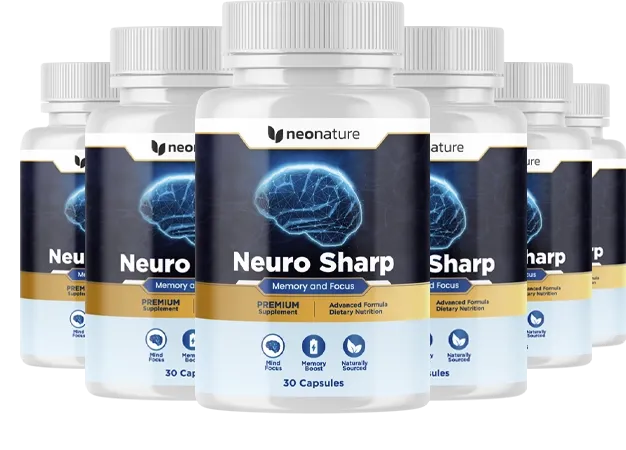
Natural 8-ingredient brain formula with Bacopa, Ginkgo, Huperzine-A, Alpha-GPC, and more. 180-day money-back guarantee — zero risk to evaluate.
Order Neuro Sharp Brain Health Formula →Modafinil is appropriate for: Patients with diagnosed narcolepsy or shift work sleep disorder (FDA-approved uses). Occasionally, physicians prescribe off-label for specific acute performance needs. Not appropriate for general long-term cognitive enhancement — the risk/benefit profile doesn't favor chronic use for non-diagnostic purposes.
Ginkgo Biloba is appropriate for: Adults 40+ with age-related cognitive concerns, anyone seeking long-term cognitive support without prescription complications, users avoiding stimulants, and anyone without blood-thinner contraindications. The gentler effect profile makes it the right choice for sustained cognitive support.
Between ginkgo-alone and prescription modafinil sits a middle ground: multi-ingredient natural formulas that combine ginkgo with other research-supported cognitive compounds. Neuro Sharp combines ginkgo (for blood flow) with huperzine-A and alpha-GPC (for acetylcholine), bacopa (for memory pathways), and four other ingredients. The result is broader cognitive support than ginkgo alone while remaining non-prescription and better-tolerated than modafinil.
For most adults seeking ongoing cognitive support — the ginkgo-or-modafinil question often isn't the right framing. The better question is: how do I combine ginkgo with other research-supported ingredients for multi-pathway cognitive support? That's exactly what multi-ingredient formulas like Neuro Sharp are designed to answer.
They're different tools for different purposes. Modafinil is a prescription wakefulness-promoting drug with strong acute effects on focus and alertness. Ginkgo is a natural extract that gradually improves cerebral blood flow over weeks. For most non-prescription cognitive support, ginkgo is more appropriate.
This combination should only be considered under physician supervision. Both affect blood flow and neural function. Stacking prescription stimulants with herbal supplements that also affect blood flow is generally not recommended without medical guidance.
Ginkgo has an established safety profile at standard supplement doses, with the main consideration being interaction with blood thinners. Modafinil is generally well-tolerated at prescribed doses but has meaningful side effects - anxiety, insomnia, cardiovascular effects - and legal use requires prescription.
Ginkgo's cognitive effects build over 2-4 weeks of consistent daily use - much faster than bacopa (12 weeks) but slower than caffeine or modafinil (hours). Most users notice clearer thinking and reduced brain fog by week 3.